That's not Frank!
The exhibition
CITISSIMUM ALTISSIMUM FORTISSIMUM is an exhibition about a contemporary phenomenon that, despite radically affecting our lives, remains underrepresented in the art world: sport as a symptom of contemporary society. Through the exploration of concepts such as the body, measurement and performance, competitiveness, binarism and representation, the exhibition brings together various artistic pieces that use absurdity, irony and deconstruction to push the manifestations of competitive and mass sports to their ultimate consequences, inviting reflection on how we are all, in some way, immersed in the same rationale: competing through ostensibly objective measurements and, from this, contributing to the creation of a spectacle.
More info about the exhibition here.
The project
The popular myth claims that in 490 BC, the Athenian soldier and messenger Pheidippides ran over 40 km from the plain of Marathon to Athens to announce the Greek victory in the great battle against the Persians. After uttering the famous phrase “Rejoice! We have won,” Pheidippides collapsed and died. Little could he have imagined that, more than two thousand years later, his feat would become one of the most popular sporting events in the world.
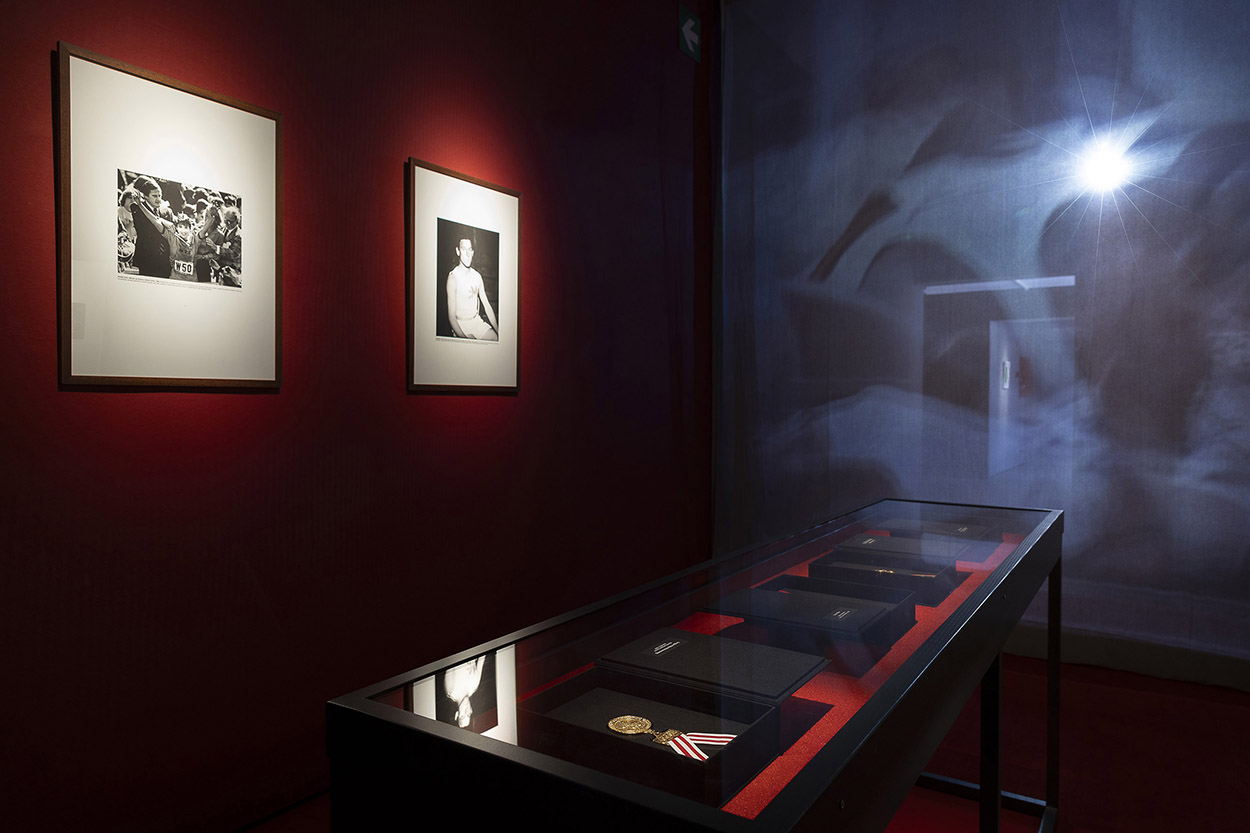
In 1896, Pierre de Coubertin decided to include this new athletic discipline in the first Olympic Games of the modern era, as a tribute to Pheidippides’ effort. A few years later, during the 1904 St. Louis Olympics, the first official cheater in this event was detected: Frederick Lorz, who had covered part of the course by car.
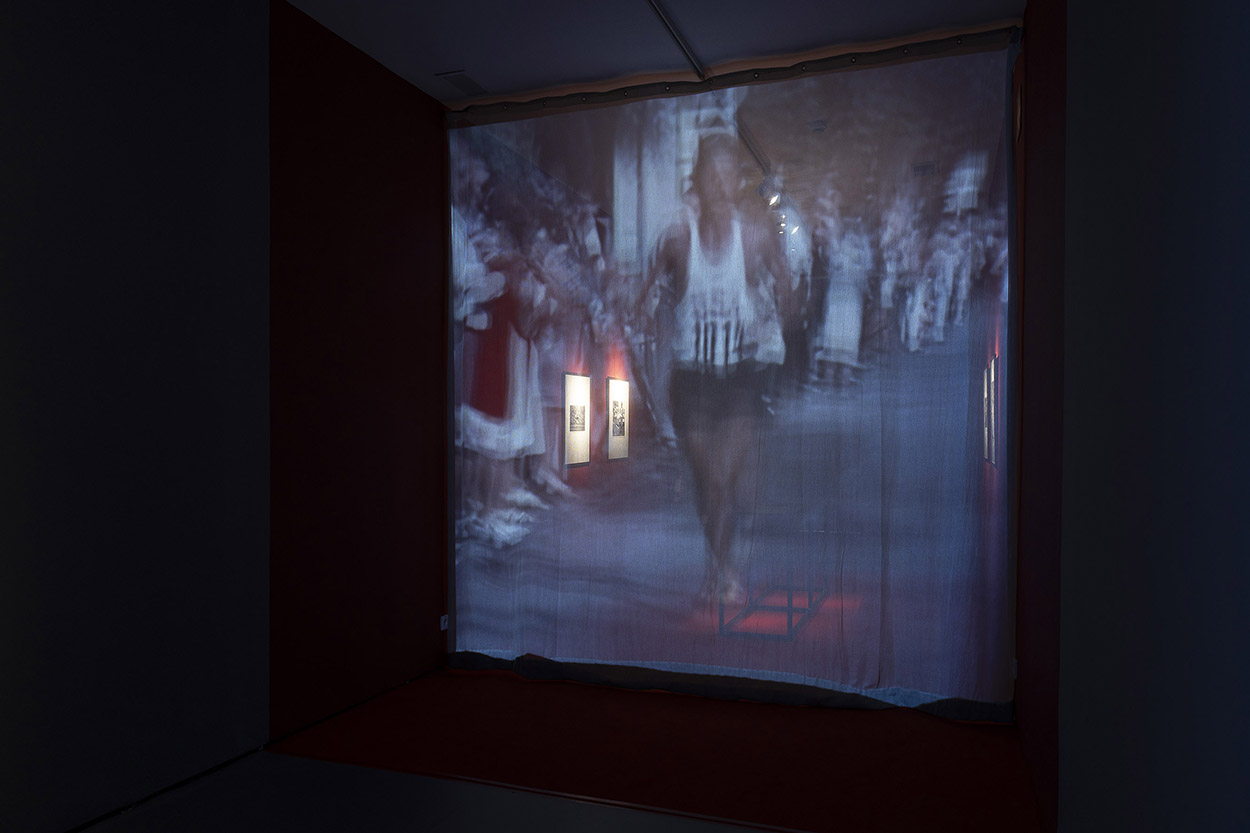
The toughness and physical demands of this discipline have led many athletes to seek less honorable ways to win the race and achieve fame, glory, recognition... and money. Among the most ingenious cheats, we can find strategies such as swapping mid-race with a twin sibling, taking the subway, or joining the competition just before crossing the finish line.
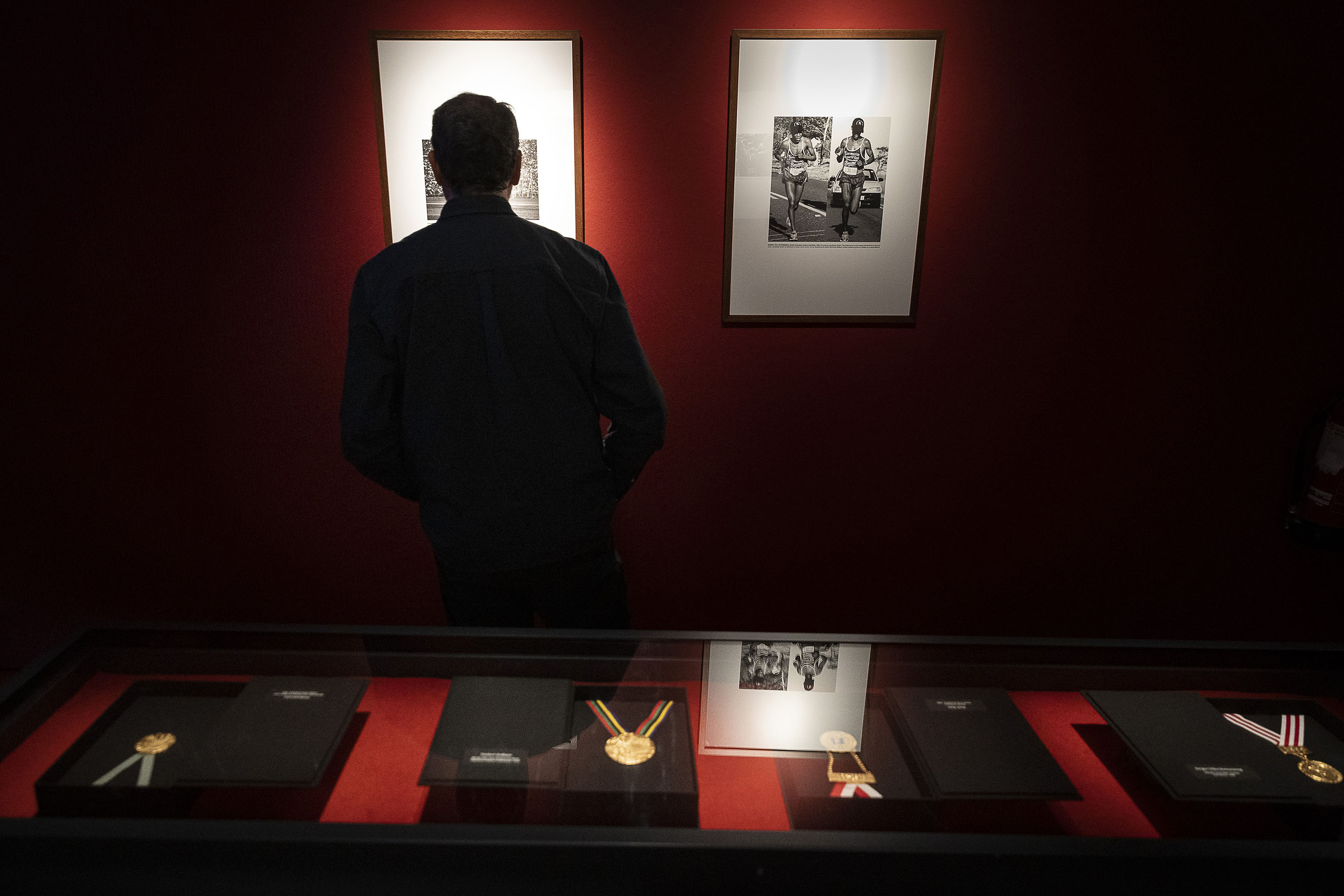
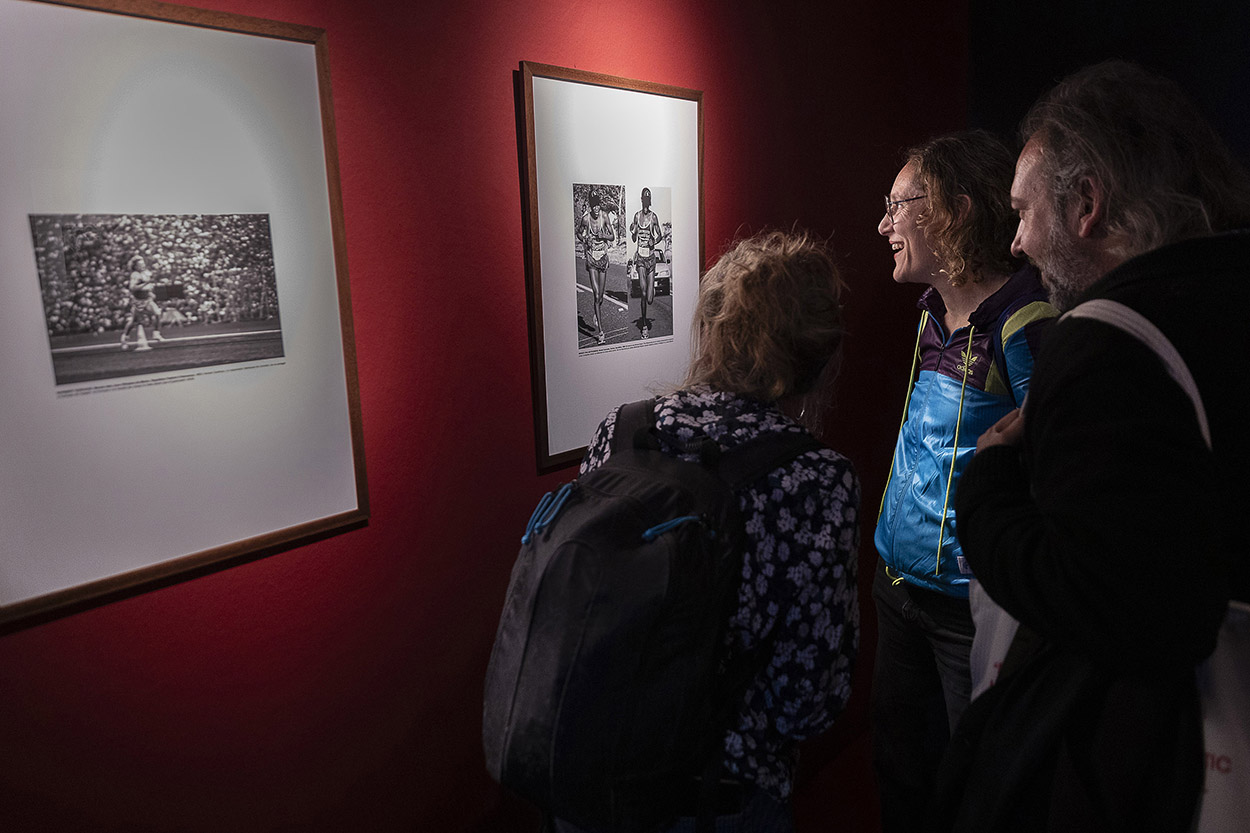
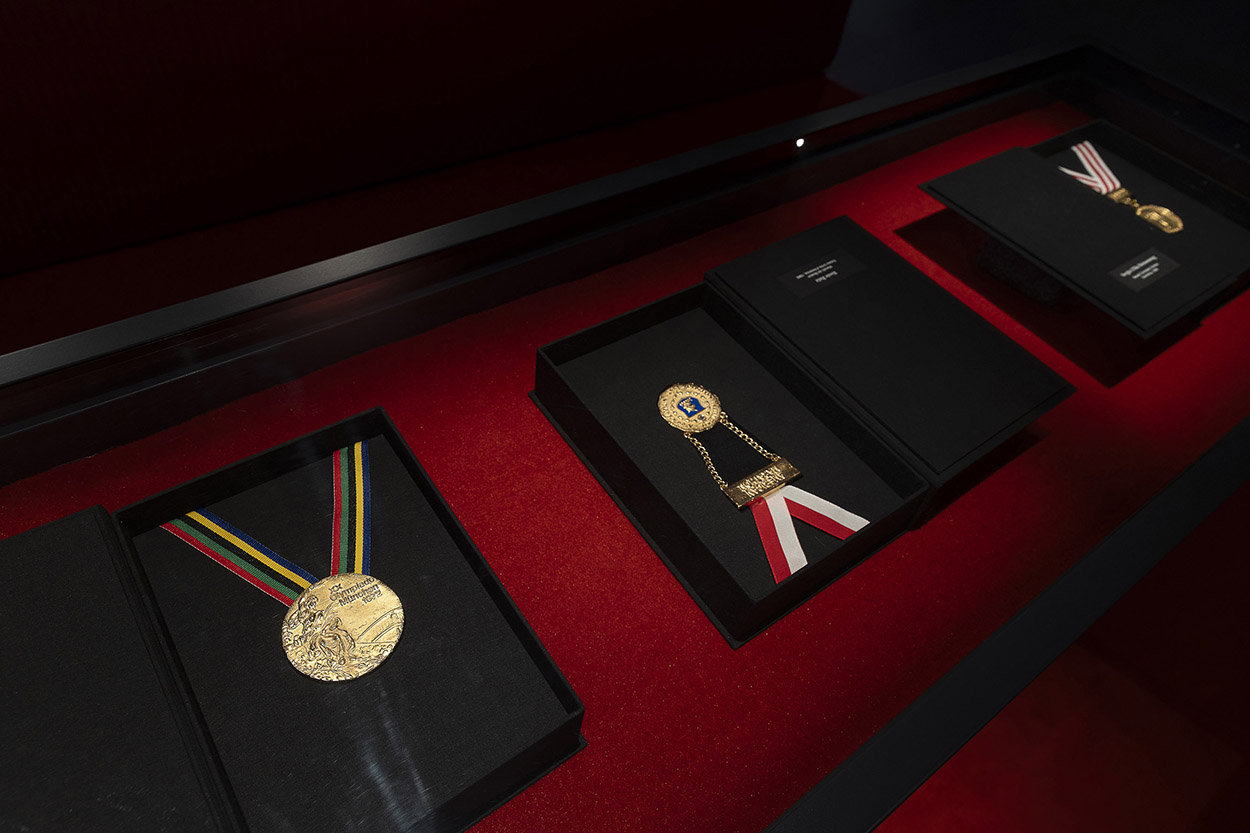
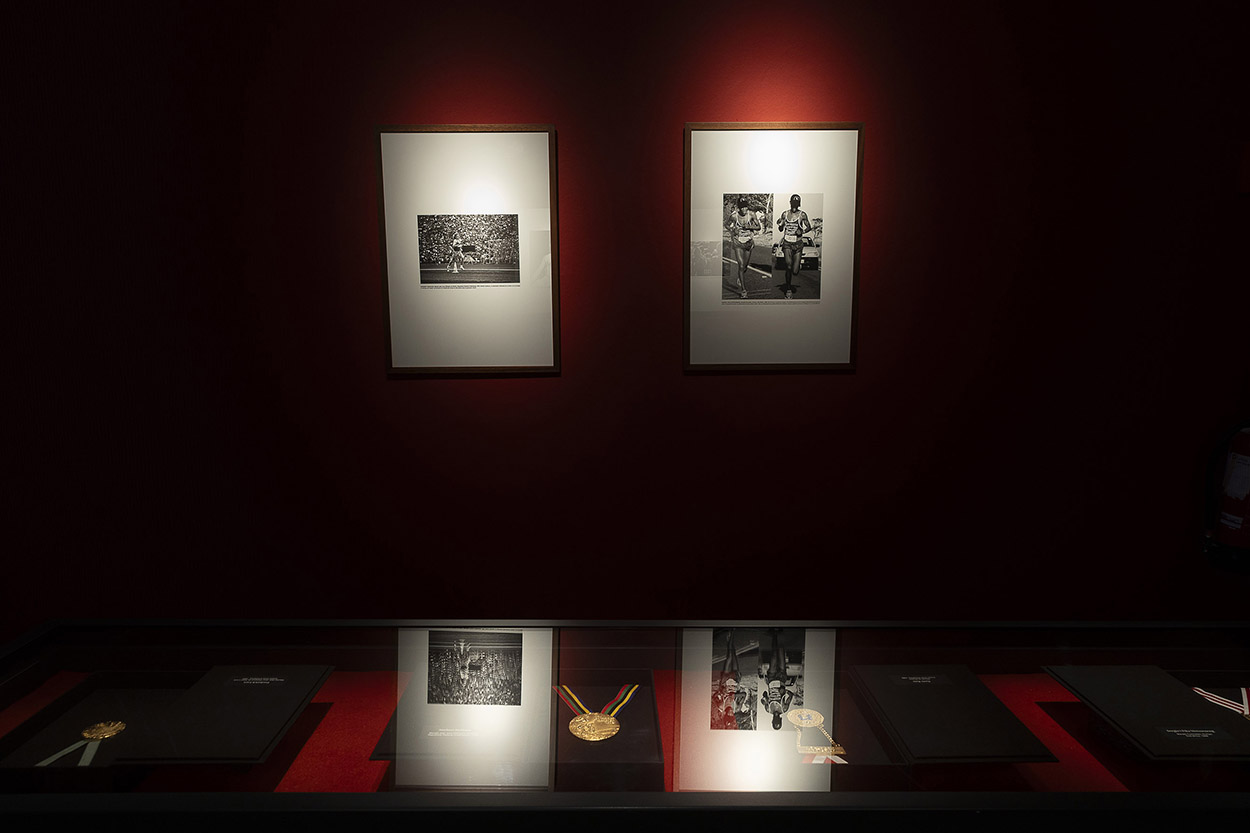
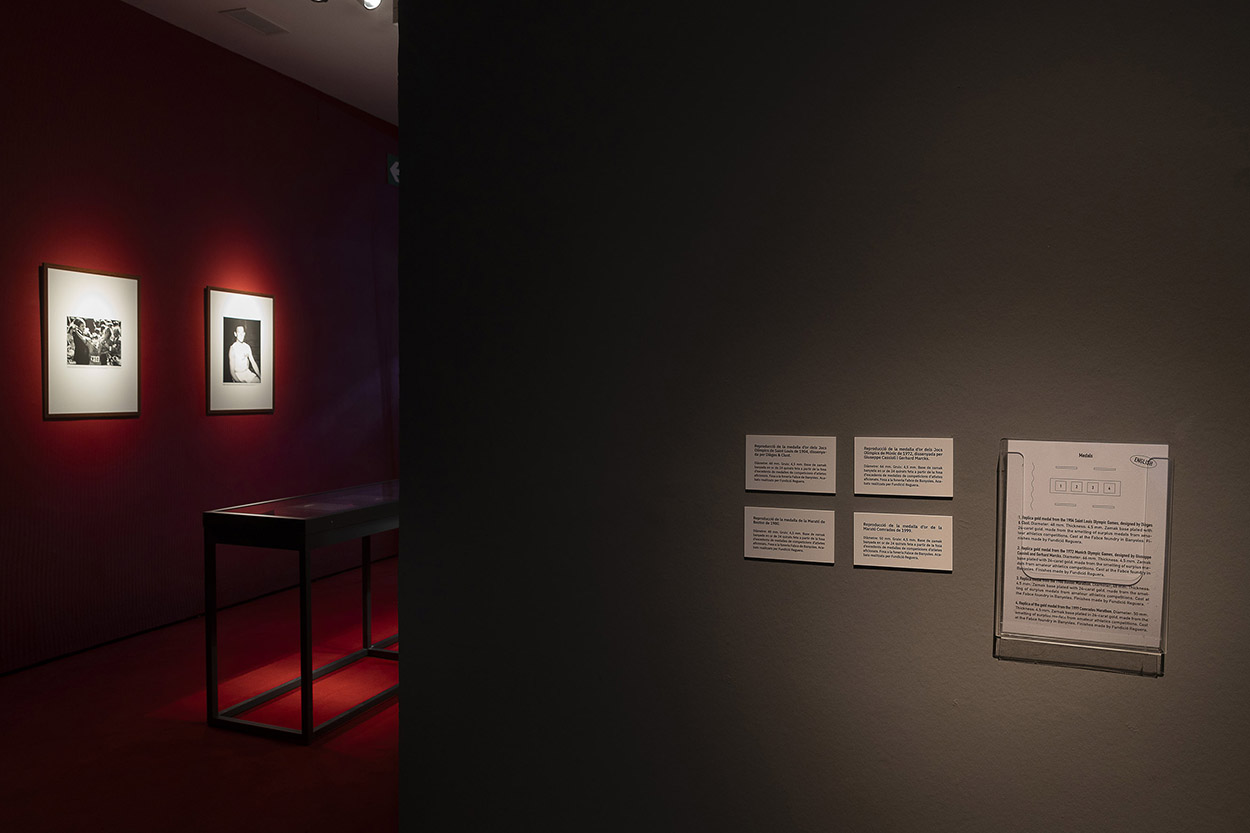
That’s not Frank! (an expression used by the American reporter broadcasting the marathon at the 1972 Munich Olympics upon seeing an impostor enter the race right in front of Frank Shorter, the official winner) aims to recognize the inventiveness of cheating athletes and reward them with what they so desperately sought: public recognition and the medal they so wanted to win. Their 15 minutes of fame. All the pieces presented are faithful reproductions of official medals, made by melting down surplus marathon medals from amateur athletes in our country.
Because cheating can also be a high-level competition and an elite sport. As the title of our piece says, it may not be honest, but it is clever and fun. Qualities that also deserve to be recognized and rewarded.
More info about the project here.
Credits
Curatorial committee of the exhibition: Cabosanroque and Enric Puig Punyet
Concept and production That's not Frank!: Irena Visa and Pau Masaló
3D models: Marc Sarquella
3D printing: Insotek (Porqueres)
Foundry: FABCE (Banyoles)
Finishing touch: Fundició Reguera (Barcelona)
Frames: Marcs Ciutadans
Design and construction of the cases: Poncho Martínez
Exhibition inaugurated on April 28, 2025, at the Centre d'Art Santa Mònica in Barcelona.