The Veil of the Temple
The project
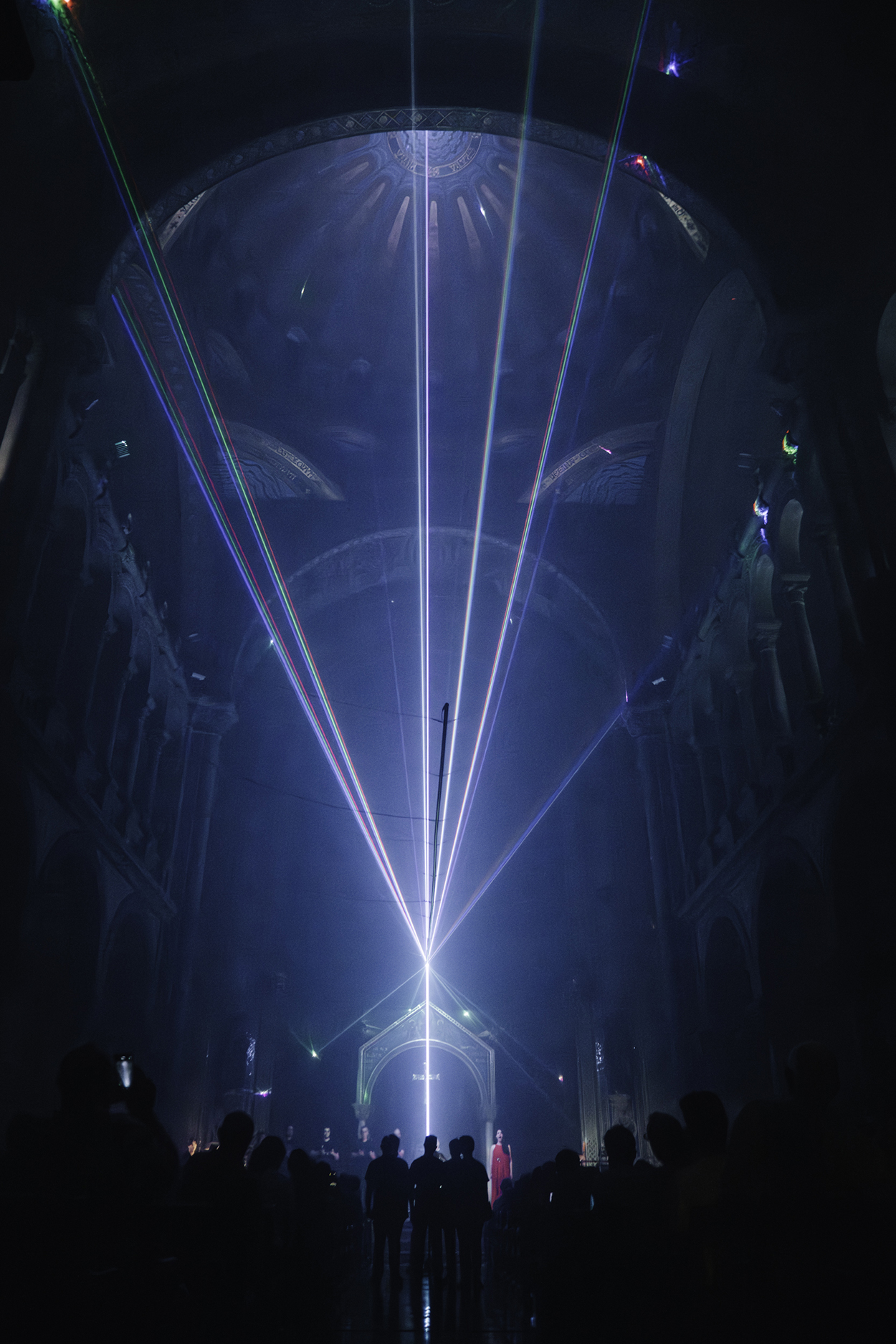
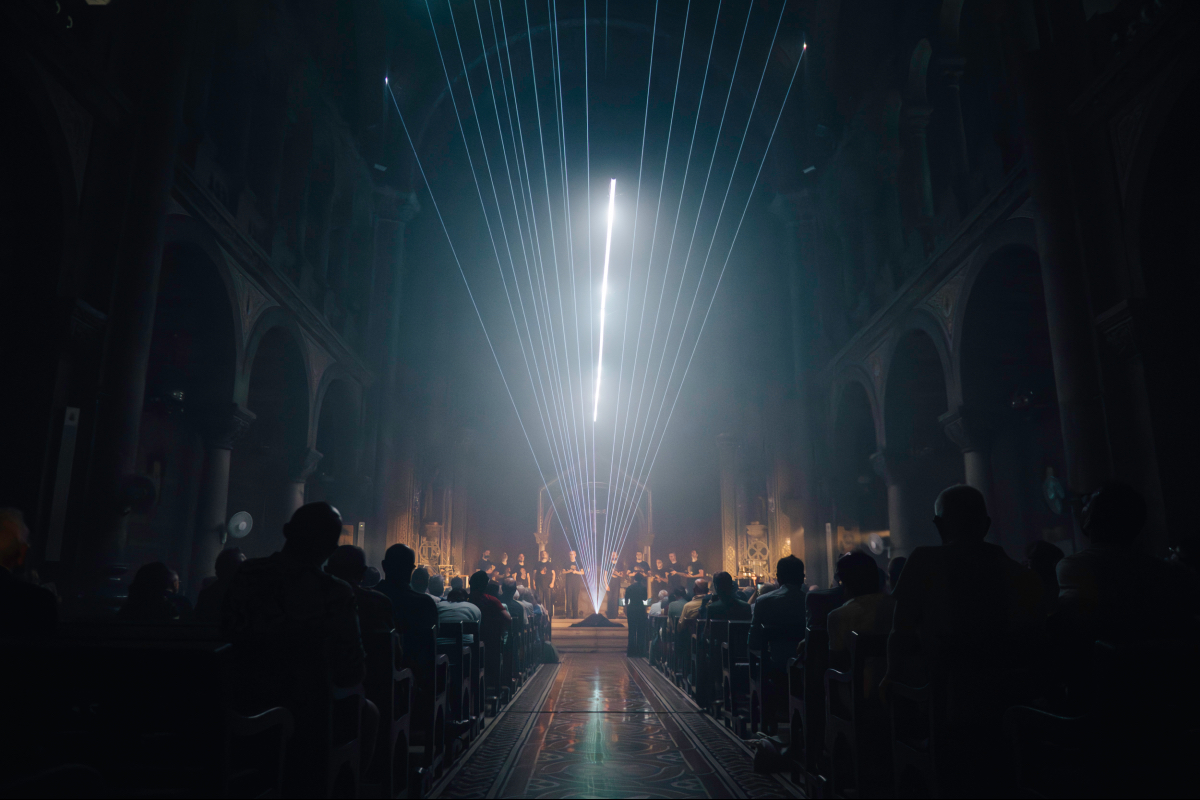
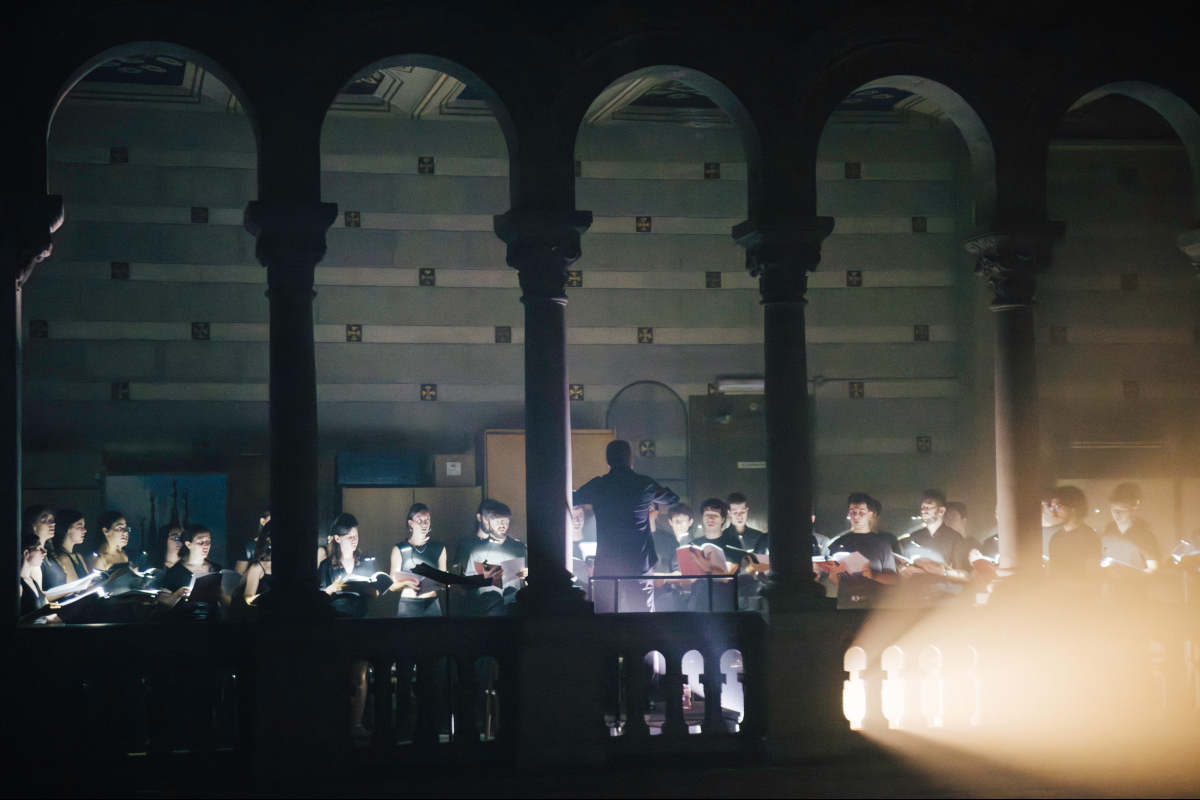
The British composer John Tavener (1944–2013) considered The Veil of the Temple (2002) his masterpiece. This choral work is a highly complex piece whose title alludes to the precise moment of Jesus’s death. The veil in the temple, symbolising the separation between God and humanity, is torn when the Son of God crosses it to enter the world of the dead. The composition was created for four choirs, various orchestras, and soloists. It was initially meant to be performed for at least seven hours, although the version that will be performed at the Barcelona Grec Festival is a shortened two-and-a-half-hour version.
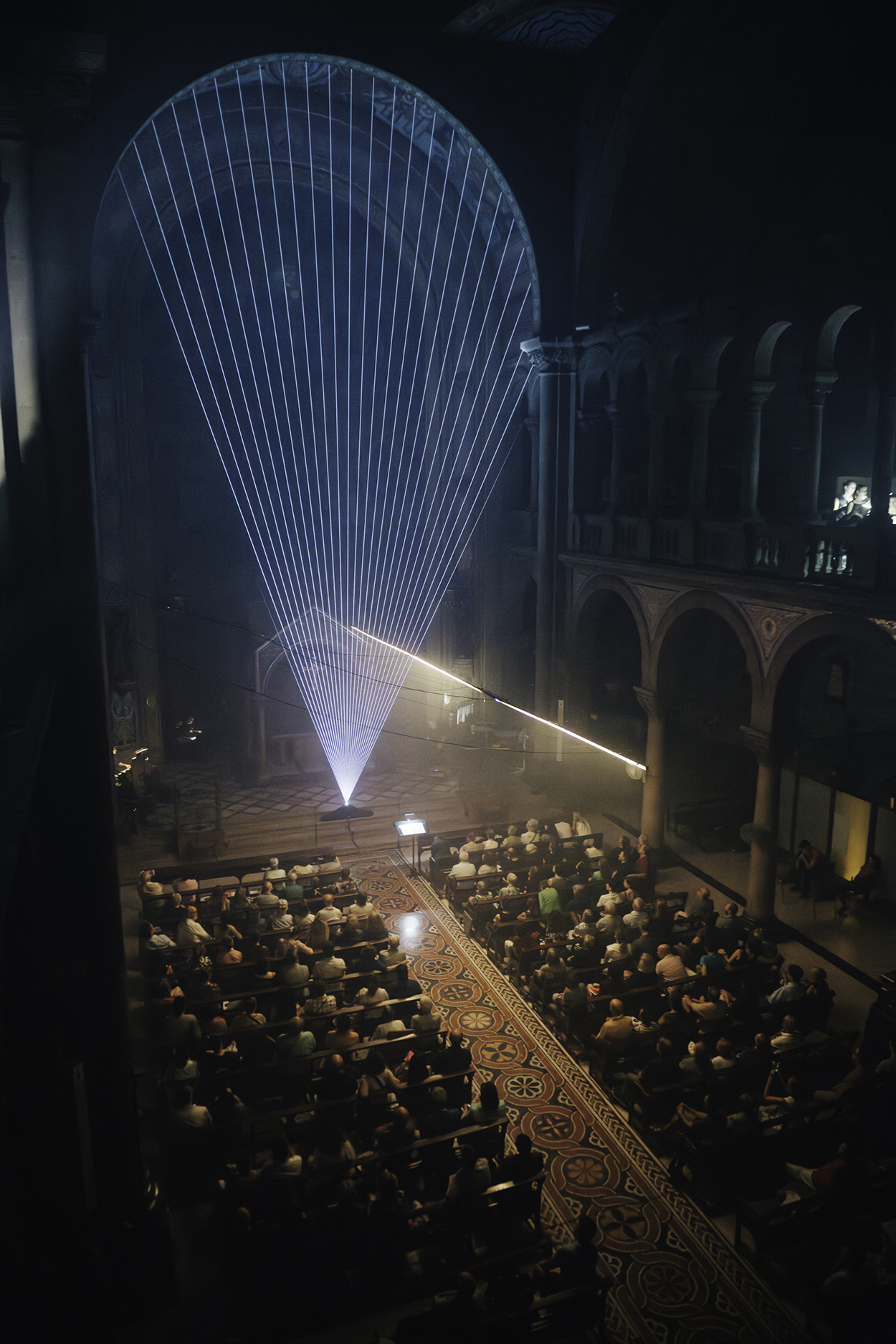
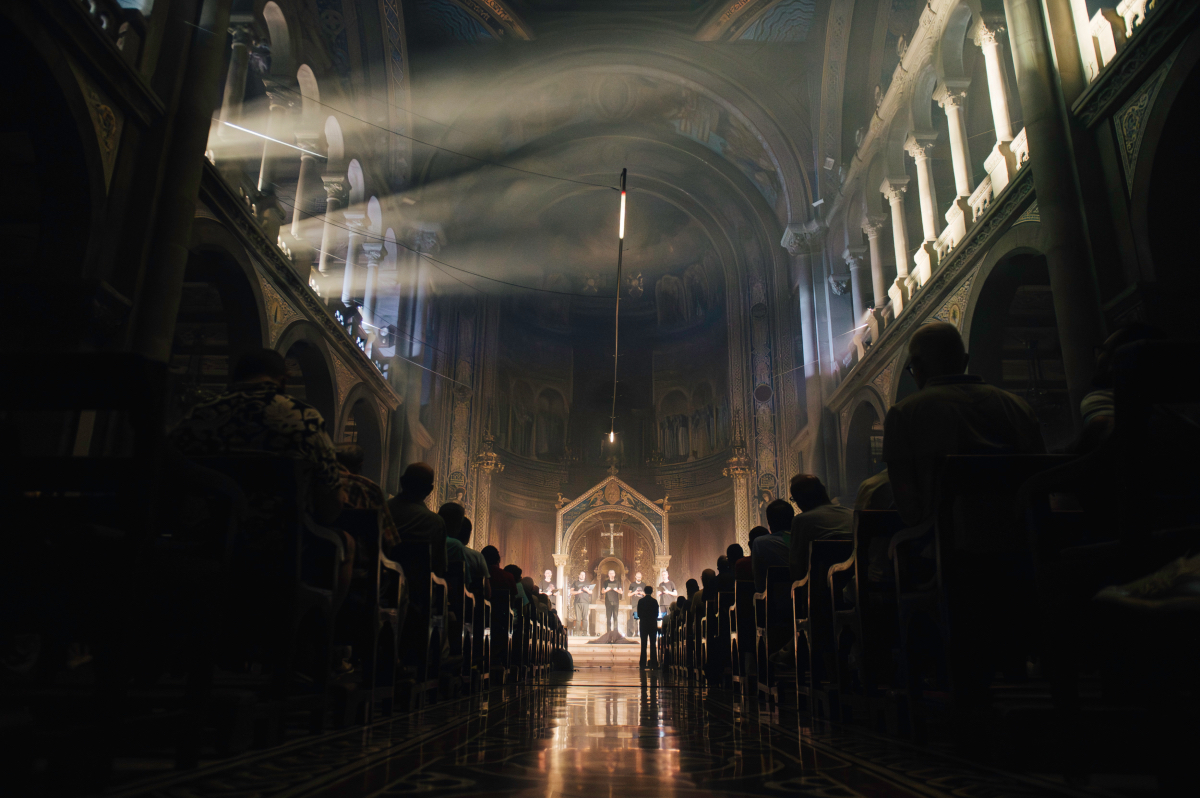
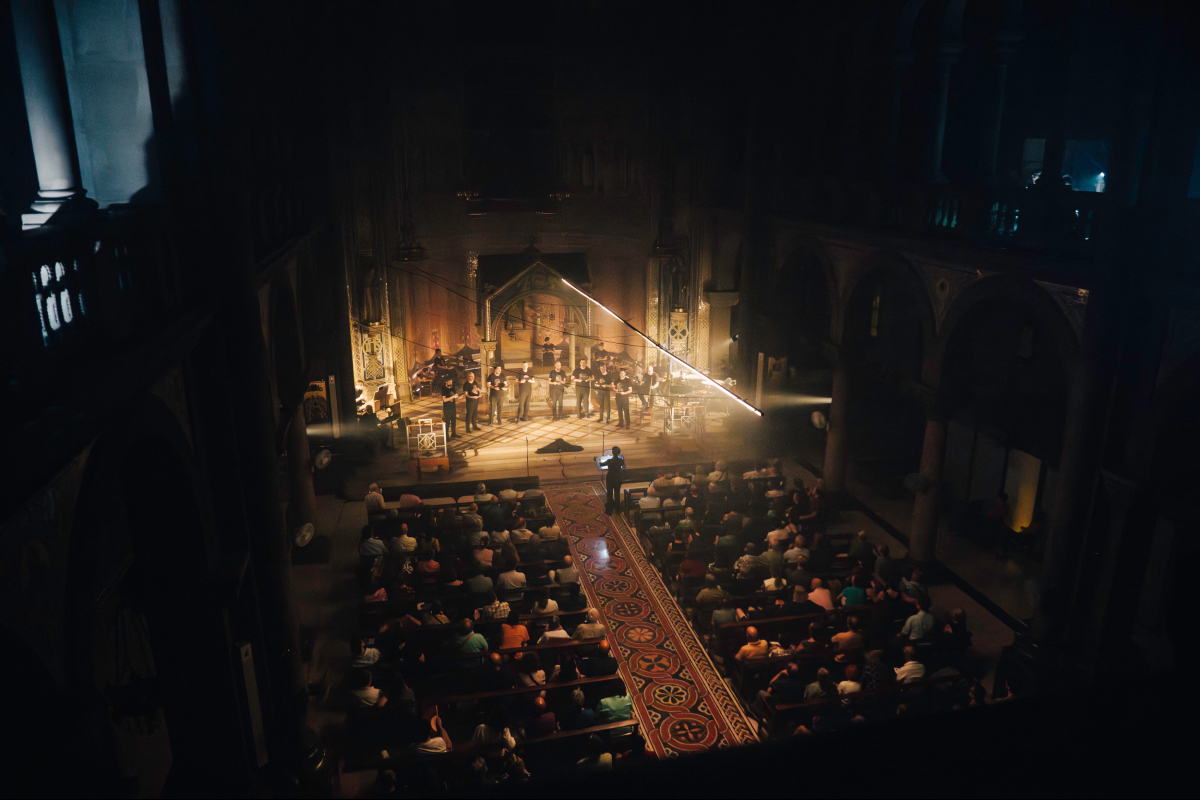
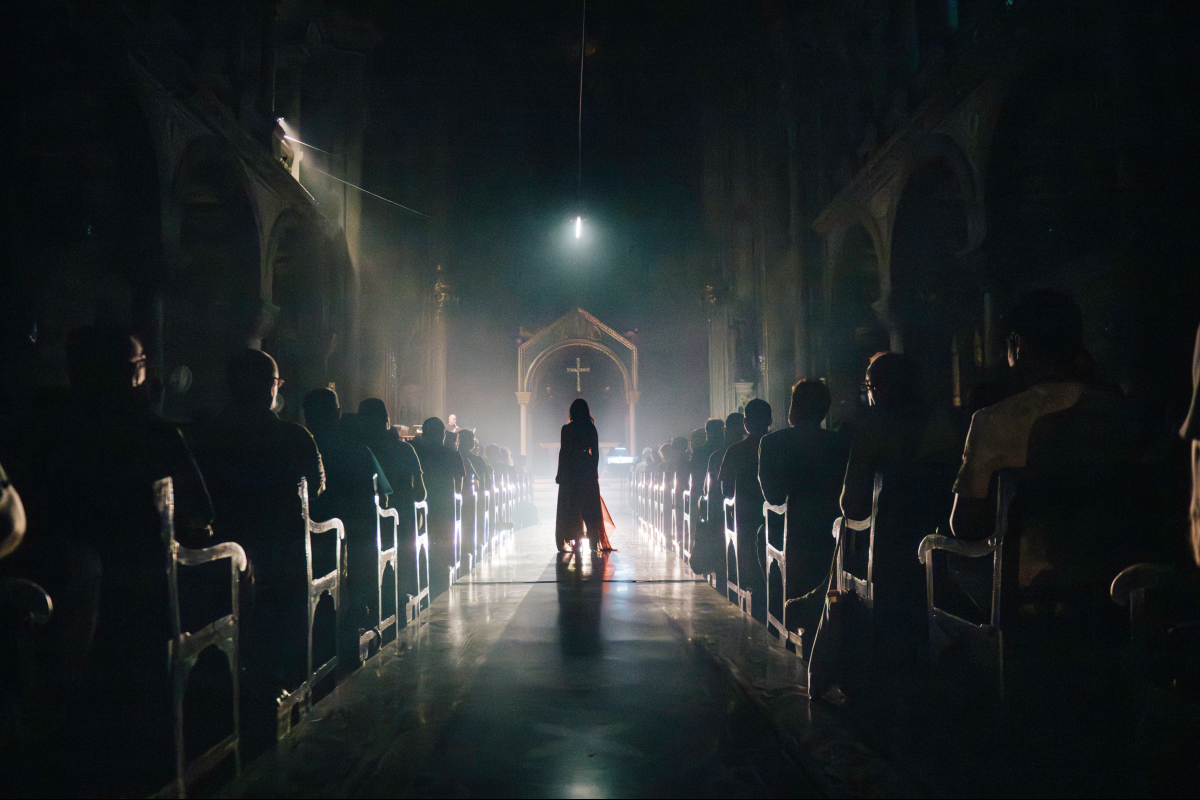
The piece is divided into cycles of increasing complexity, each requiring a longer performance. The text is based on religious texts from different traditions and, in a quiet setting away from the noise of the city, encourages a contemplative experience, more spiritual than religious, driven by the human voice. The setting is the Mare de Déu del Carme church in the Eixample, a historicist building inspired by Romanesque, Byzantine, Islamic, and Modernist art, resulting in a markedly eclectic construction. The church was designated by architects Josep Domènech i Estapà (Model prission and Fabra Observatori) and Josep Domènech i Mansana and built between 1910 and 1925.
The complete version of the production premiered in 2003 at the Temple Church in London and was recreated in 2007 in Berlin, inside the Hamburger Bahnhof - Museum of Contemporary Art in Berlin. This is not surprising because, although it is designed for religious spaces, the work can also be performed in art venues. After all, just like this work, both art and religion explore the experience of transcendence, questioning the role of different religious traditions in their search.
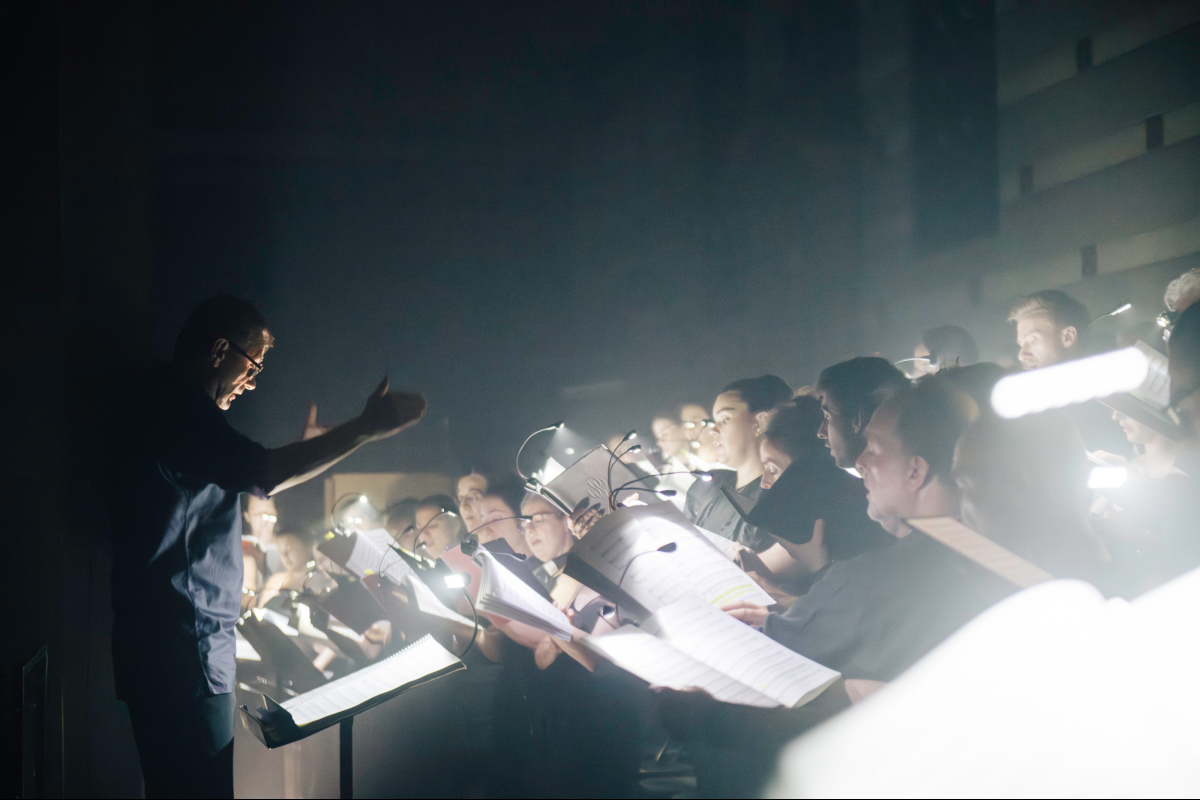
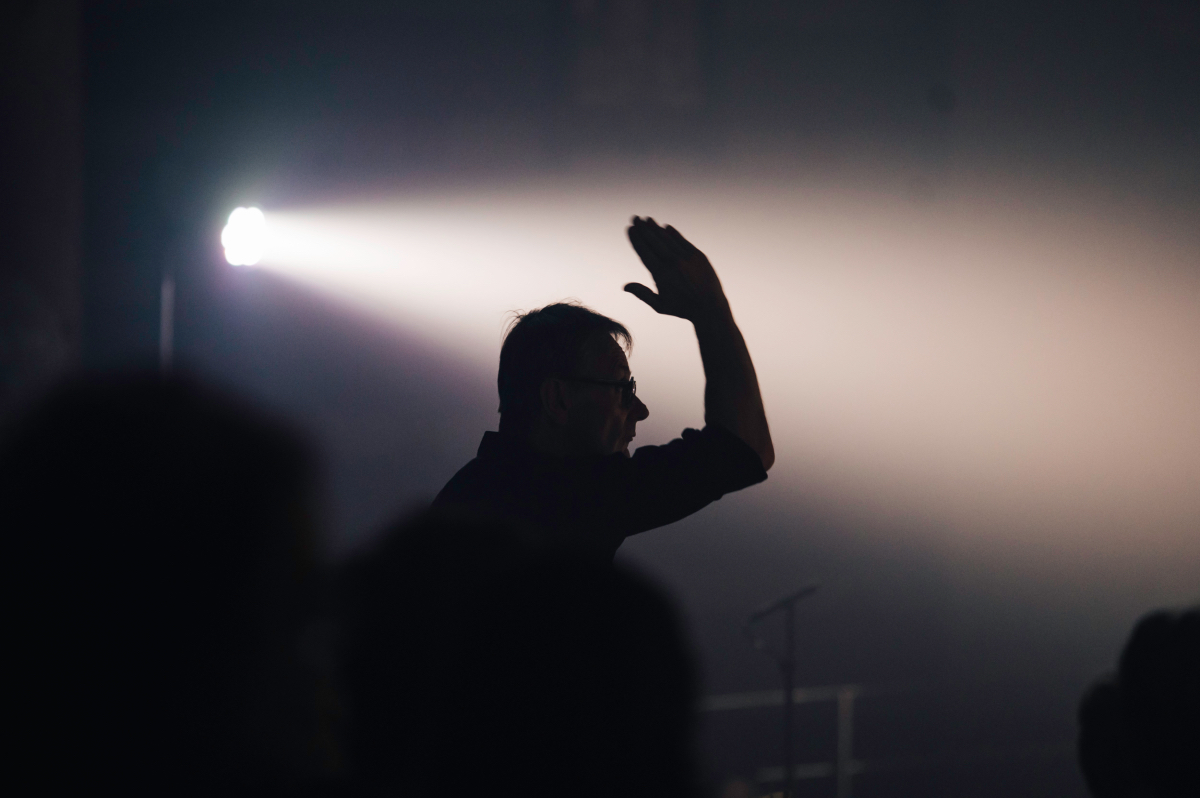
This complex composition is conducted by the British composer Simon Halsey, artistic director of the Orfeó Català choirs since the 2016/2017 season and artistic advisor at the Palau. He is considered one of the best choir conductors in the world and has conducted the London Symphony Orchestra Choir, among many others. The staging of this site-specific concert is the work of director and playwright Pau Masaló, who has created and directed productions such as Utopia, The National Body and Ciutat dormitori [Dormitory Town] the acclaimed walkabout performance through Montjuïc Cemetery, which won the MAX Award and the 2021 Critics’ Award for Best Street Arts Show, as well as the El Temps de les Arts Award for Performing Arts.
More info about the project here.
Credits
Musical director: Simon Halsey
Artistic director: Pau Masaló Llorà
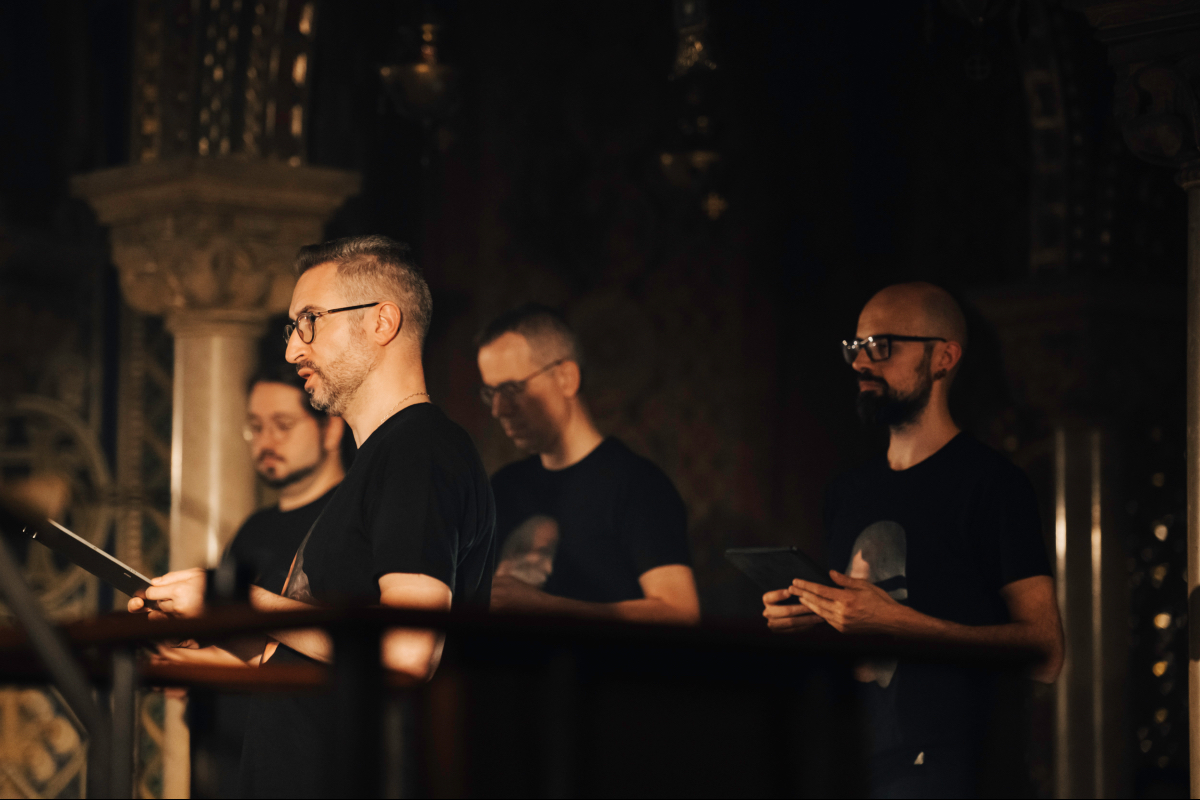
Choirs: Orfeó Català (Simon Halsey, conductor; Júlia Sesé, vocal coach), Youth Choir of the Orfeó Català (Pablo Larraz, conductor), Girls Choir of the Orfeó Català (Montserrat Meneses, conductor)
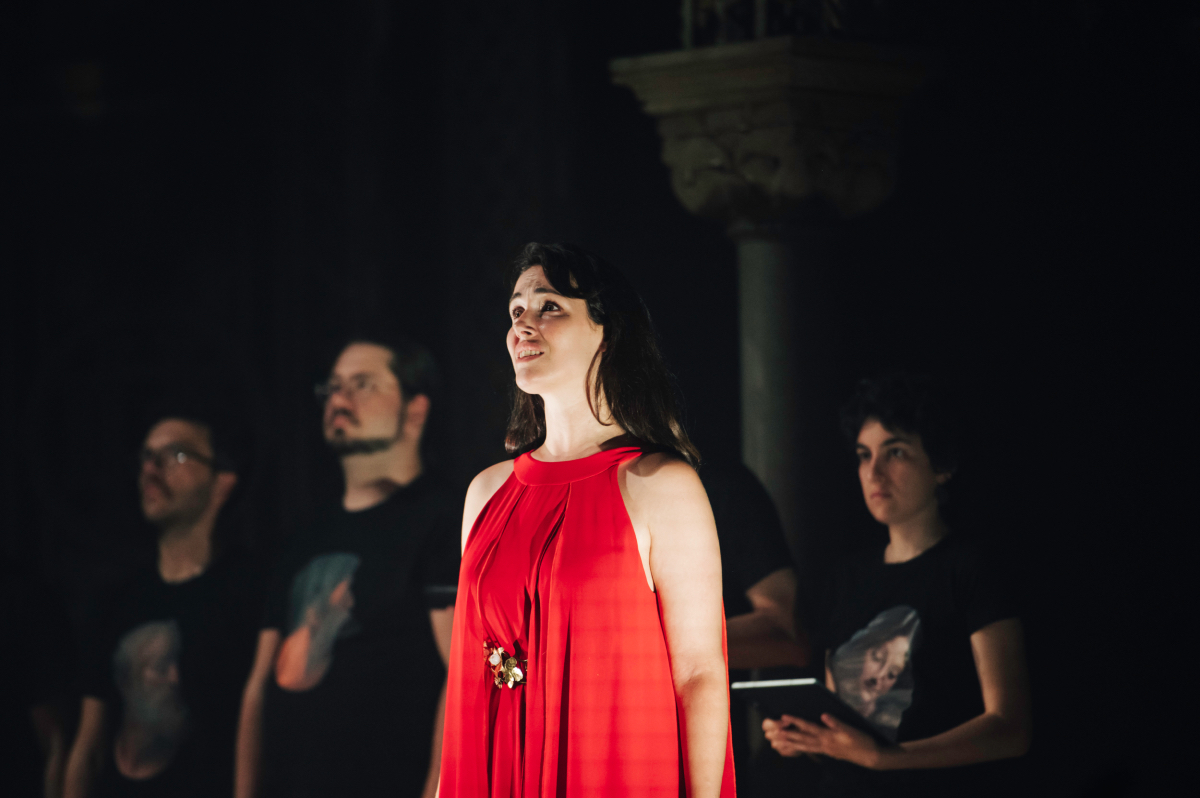
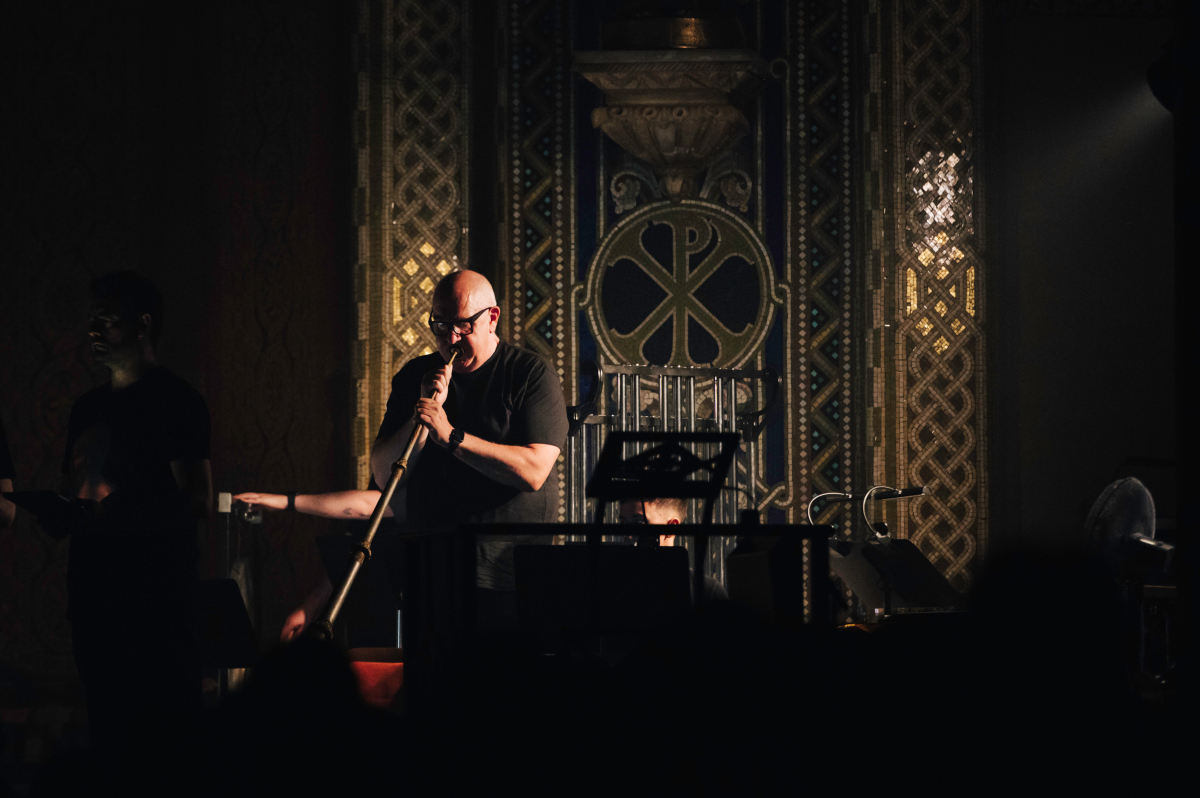
Soloists: Montserrat Seró - soprano, ensemble of vocal soloists, instrumental ensemble (duduk, Tibetan horn, organ, percussion, and brass wind instruments)
Lighting design: Oscila
Soloist soprano dress by: Teresa Helbig
A co-production by: Grec 2025 Festival de Barcelona and Palau de la Música Catalana